I. Prevention and Control Characteristics and Requirements
① Prevention and Control Characteristics
During public restroom sanitation operations, it is necessary to clean, maintain, and disinfect public restrooms, septic tanks, and the surrounding environment; collect and transport restroom waste; and collect, transport, and dispose of fecal matter. When individuals suspected of being infected or those in the virus incubation period—such as close contacts—use public restrooms, their saliva, respiratory droplets, fecal matter, and related waste items may serve as carriers for the virus and contribute to its spread.
② Prevention and Control Requirements
To prevent the spread of the virus, protect public restroom maintenance staff from infection—whether through exposure to the virus, infection among staff members, or transmission from outsiders—and ensure the normal operation of public restrooms, it is essential to place high priority on epidemic prevention and control measures for public restroom maintenance staff, with the goal of achieving zero infections among them.
II. Preparing for the Assignment
① Organize training sessions for public restroom maintenance staff on epidemic prevention and control measures. All staff members must be fully familiar with these measures, understand how to implement them, and carry them out conscientiously. This training must reach every single staff member—no one should be left out or overlooked.
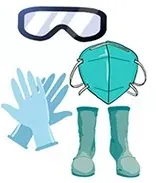
② In public restroom utility rooms or carried by maintenance staff, personal protective equipment such as medical protective masks, medical surgical masks, N95 masks, gloves, rubber boots, protective suits, hats, goggles, and reflective vests, as well as disinfectants, rubbing alcohol, and other disinfection supplies, and thermometers or temperature-measuring devices, must be provided.
③ Maintenance staff must have their temperature checked once at the start of each workday and once at the end of each workday, and must accurately record the results in the “Health Status Record Form.” If facility staff members develop symptoms such as a temperature exceeding 37.3 degrees Celsius, fever, headache, cough, or fatigue, they must promptly take measures such as self-isolation and seeking medical attention, and report the situation to the epidemic prevention and control department immediately. They must not conceal their symptoms or report to work while sick.
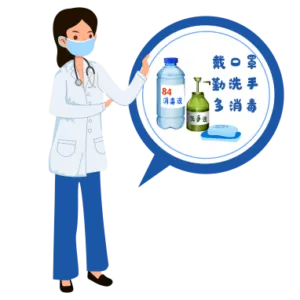
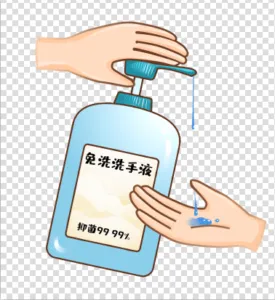
④ Maintenance staff should develop the habit of washing their hands frequently and properly—washing their hands thoroughly before putting on masks or gloves, before leaving work, and after removing gloves—and pay close attention to personal hygiene.
⑤ Before starting work, maintenance staff should put on their work uniforms (or protective clothing), wear masks (medical protective masks, surgical masks, or N95 masks), gloves, rubber rain boots, and other relevant protective equipment. Masks should be replaced and disposed of promptly.

III. Workplace Safety
① Safety Precautions During Work
Ensure good ventilation in public restrooms by turning on exhaust fans to provide forced ventilation.
Do not remove your mask, gloves, or work clothes while on the job, and do not touch your face, eyes, or mouth.
During daily cleaning, if you find discarded toilet paper, feminine hygiene products, or other trash on the floor, you must use tongs or another tool to pick up the trash and place it in the wastebasket. Do not pick it up directly with your bare hands.
② Protective Measures After Completing the Task
1. After completing your work, you may remove your work shoes, gloves, hat, work clothes, and mask in that order. Used masks, tissues, and other items (which must not be reused) should be disposed of in the designated containers, which must be disinfected before cleaning. After removing your shoes, hat, and work clothes, you must have your temperature taken and sign in before leaving work.
2. Reusable safety goggles, gloves, work clothes, and other items should be soaked in a disinfectant with an effective chlorine concentration of 200 mg/L for 20–30 minutes, then rinsed with clean water and hung out to dry.


IV. Disinfection of Work Facilities and Equipment
① Disinfecting the wastepaper basket
Trash cans should be emptied and cleaned twice daily, washed with water every day, and disinfected with a disinfectant solution containing an effective chlorine concentration of 1,000–2,000 mg/L. In public restrooms located in high-traffic areas, trash cans should be emptied as soon as they are full and disinfected immediately after emptying.
② Disinfection of public restrooms (including utility rooms and rest areas within public restrooms)
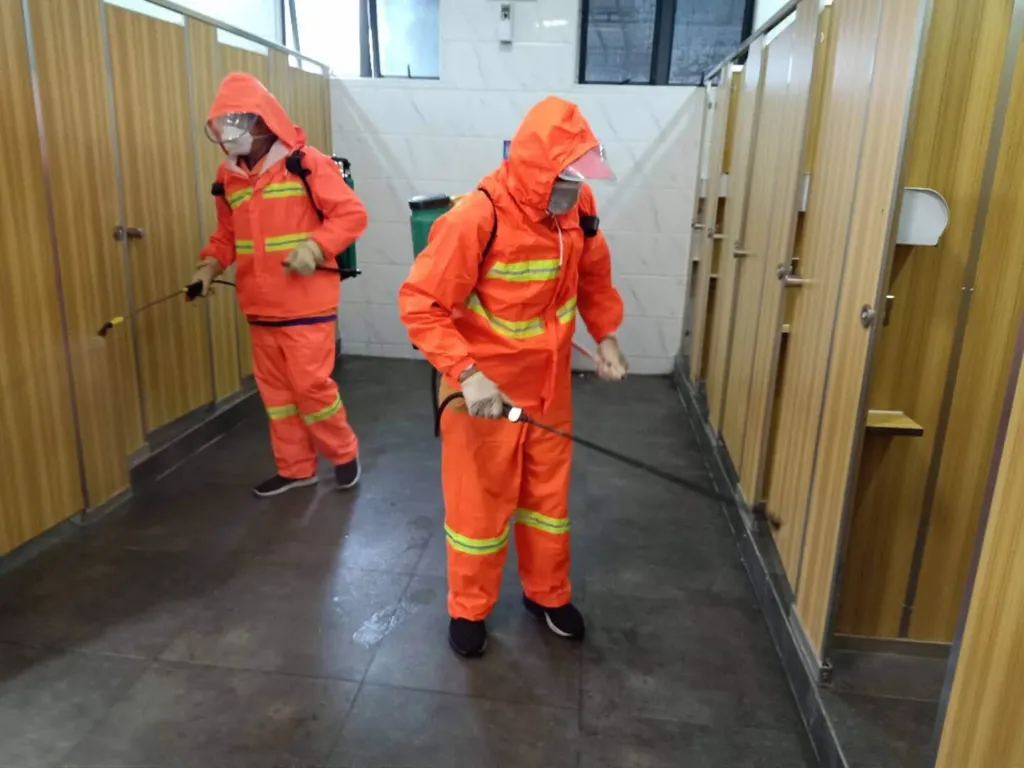
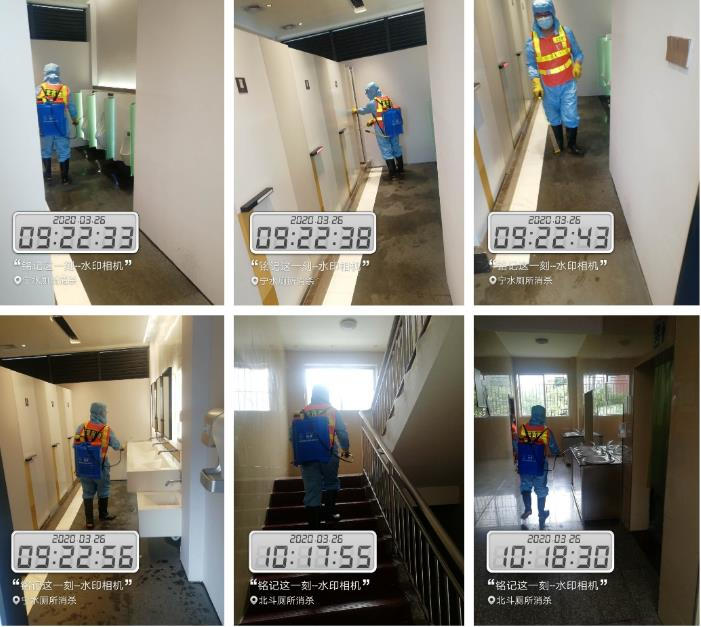
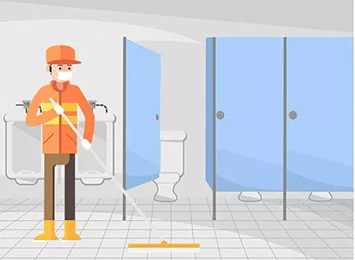
Before starting work each day, spray and disinfect the walls, floors, septic tanks, and surrounding areas of public restrooms (including the utility rooms and break rooms within the restrooms) once using a disinfectant solution with an effective chlorine concentration of 1,000–2,000 mg/L. The application rate should be 200–300 mL/m². Work may only begin after thorough disinfection has been completed.
During operating hours, when should facilities and equipment that are frequently touched by restroom users—such as squat toilets, urinals, sinks, wastebaskets, flush buttons, faucets, door handles, and hooks—be disinfected to ensure “comprehensive coverage with no blind spots”?
Method 1: Every three hours, thoroughly spray and disinfect public restrooms with a disinfectant solution containing 1,000–2,000 mg/L of available chlorine, using 200–300 mL per square meter.
Method 2: Use a disinfectant with an effective concentration of 1,000 mg/L to wipe down and wet-mop the floors, squat toilets, urinals, sinks, wastebaskets, flush buttons, faucets, door handles, hooks, and other facilities and equipment in public restrooms.
After each cleaning shift, thoroughly rinse the public restroom with water, then spray and disinfect the walls, floors, septic tank, and surrounding areas of the public restroom (including the utility room and break room inside the restroom) once with a disinfectant solution containing an effective chlorine concentration of 1,000–2,000 mg/L, with an application rate of 200–300 mL/m².
③ Disinfection of maintenance tools and vehicles
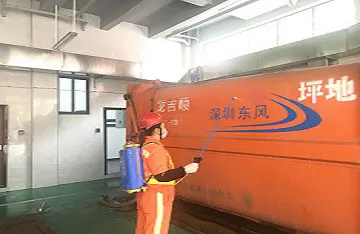
Before starting work each day, spray and disinfect all maintenance tools and vehicles once with a disinfectant solution containing an effective chlorine concentration of 1,000–2,000 mg/L. Work may only begin after thorough disinfection has been completed.
After completing each task, rinse the maintenance tools and vehicles—such as hand carts, electric vehicles, garbage trucks, and manure collection trucks—with water, and then spray them once with a disinfectant solution containing an effective chlorine concentration of 1,000–2,000 mg/L.
V. Daily Maintenance and Care
① Standardize Cleaning and Maintenance
In accordance with the relevant provisions of the Hygiene Management Standards for Public Restrooms, prioritize public restrooms in high-traffic areas, step up cleaning efforts, ensure the “three essentials”—water supply, electricity, and ventilation—are properly maintained, and promptly stock restrooms with hygiene supplies such as hand sanitizer. Strengthen the inspection and maintenance of facilities such as toilet stalls (including urinals) and faucets, and promptly unclog sewage pipes to ensure normal operation.
② Strengthen Sterilization and Disinfection
The frequency of disinfection for public restrooms in key areas and sensitive locations should be increased, and fecal wastewater should be disinfected in accordance with relevant standards.
③ Strengthen the management of restroom trash bins
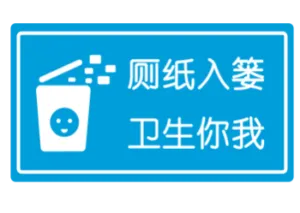
To prevent the spread of viruses through fecal matter, wastebaskets have been removed from men’s restroom stalls, and all wastebaskets in women’s restroom stalls have been covered with plastic bags. During operating hours, maintenance staff will increase patrols of the restrooms to ensure that each stall is cleaned after every use. With the exception of used feminine hygiene products, which should be disposed of in the wastebaskets, water-soluble waste such as toilet paper may be flushed down the toilet.
④ Inspect the septic tank regularly
All maintenance units must strengthen the maintenance of septic tanks, conduct regular inspections of septic tank manhole covers, drainage pipes, and other related facilities, and promptly replace damaged manhole covers to prevent the overflow of septic tank effluent.
⑤ Standardize the collection and transportation of feces
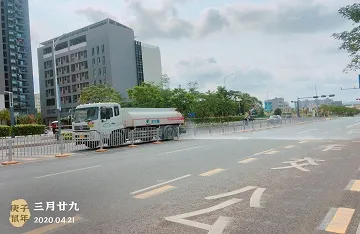
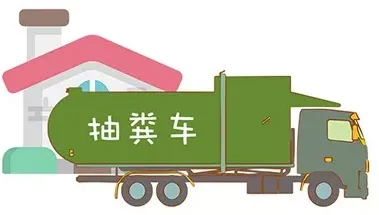
Comprehensive disinfection of the fecal collection and transport vehicle must be performed immediately before each trip, after emptying each septic tank, after unloading at the fecal treatment plant, and as soon as the vehicle returns to the depot. Areas and surfaces that may have been contaminated by fecal matter must also be thoroughly disinfected.
⑥ Strengthen end-of-pipe treatment
After a fecal waste collection truck enters the fecal waste treatment plant, it must proceed to the designated unloading point to discharge its load. After discharging the sewage, the residual sewage in the suction hose must be flushed out, and any sewage spilled on the ground must be washed into the sewage storage tank using tap water or reclaimed water for subsequent harmless treatment. All sewage treatment plants must strengthen daily disinfection procedures and increase the frequency of disinfection during operations.
VI. Publicity, Guidance, and Supply Allocation
① Publicity and Guidance
Prominent locations in public restrooms—such as entrances, men’s and women’s restroom stalls, and sink areas—should display friendly reminders regarding epidemic prevention and control. These reminders should include instructions for restroom users to wear masks, refrain from littering, avoid spitting in public, and ensure that feces and urine do not spill outside the toilet bowl, as well as information regarding the disinfection of public restrooms by the managing and maintenance units.
② Supply Allocation
Protective supplies (including masks, gloves, rubber boots, protective suits, goggles, hats, hand sanitizer, disinfectant, thermometers, etc.) are managed by designated personnel, and sufficient quantities of commonly used medications, first-aid kits, and equipment are provided.
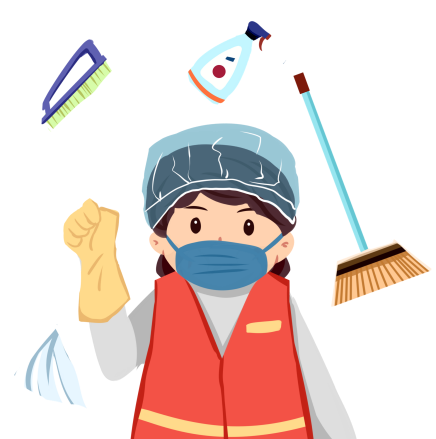
A stockpile of protective supplies sufficient for at least one week must be maintained; otherwise, the matter should be promptly reported to the relevant local authorities.
The facility management unit should designate a specific person to perform disinfection and maintain accurate records of the disinfection process.
Management and maintenance units should designate a specific person to prepare disinfectants and manage disinfectant supplies and equipment (such as sprayers), and strengthen the management of disinfectants and other disinfection supplies to ensure their safe use.