I. Characteristics of Epidemic Prevention and Control and Related Requirements
① Prevention and Control Characteristics
During sanitation cleaning, collection, and transportation operations, roads must be swept and kept clean, and household waste must be collected and transported; these operations cover a wide area and take a long time. The waste collected during these operations may contain potential sources of the virus, such as masks used by individuals in the virus’s incubation period—including suspected cases or close contacts. Additionally, the movement of people, dust, and aerosols in the work environment may also pose risks of viral transmission.
② Prevention and Control Requirements
To prevent sanitation workers from becoming infected, to avoid cross-infection among staff, and to prevent infection by outsiders, and to ensure the normal operation of sanitation cleaning, collection, and transportation services, it is essential to place a high priority on epidemic prevention and control measures for these operations and to achieve the goal of zero infections among sanitation workers.
II. Preparing for the Assignment
① Organize training sessions for all staff on epidemic prevention and control knowledge. All staff must be fully and thoroughly familiar with this knowledge, understand how to implement prevention and control measures, and carry them out conscientiously. This training must reach every single staff member—no one should be left out or overlooked.
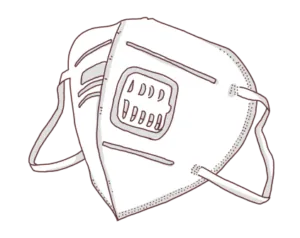
② Work sites or rest areas for workers should be equipped with sufficient personal protective equipment (PPE), such as medical protective masks, surgical masks, N95 masks, gloves, rubber boots, protective suits, hats, goggles, and reflective vests, as well as disinfectants such as disinfectant solution and rubbing alcohol, and thermometers or temperature-measuring devices.
③ Assembly points or rest areas should be thoroughly rinsed with water once a day, followed by spraying the walls, floors, and surrounding areas with a disinfectant solution containing 1,000–2,000 mg/L of available chlorine. The application rate should be 200–300 mL/m².
④ Workers must have their temperature checked once each when arriving for and leaving work each day, and must accurately record the results in the “Health Status Record Form.” If an employee exhibits any abnormal symptoms (such as a temperature exceeding 37.3 degrees Celsius, fever, headache, cough, fatigue, etc.), they must promptly take measures such as self-isolation or seeking medical attention, and report the situation to the epidemic prevention and control department without delay. Concealment of symptoms is strictly prohibited. Employees must not report to work while sick.
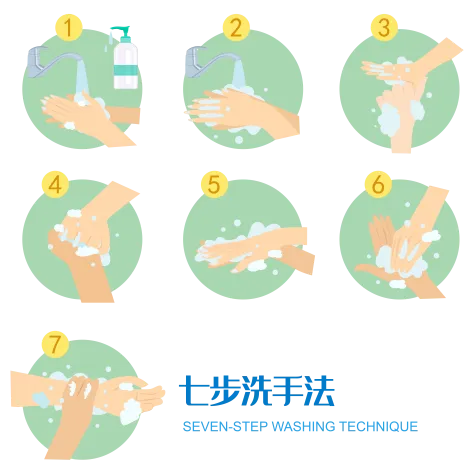
⑤ Workers should develop the habit of washing their hands frequently and properly, washing their hands thoroughly before putting on masks or gloves and after removing gloves. Pay attention to personal hygiene.
⑥ Before starting work, personnel must put on work clothes (or protective clothing), wear a mask (medical protective mask/medical surgical mask/N95 mask), gloves, rubber rain boots, and other relevant protective equipment. Masks should be replaced and disposed of promptly.
III. Disinfection of Work Facilities and Equipment
① Disinfection of trash collection containers
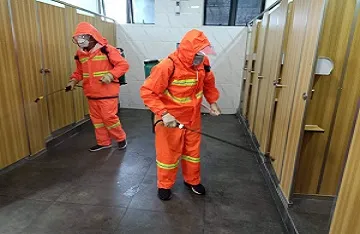
Waste collection containers, such as trash cans (bins) and waste collection shelters, should be cleaned and waste collected twice daily. They must be washed with water daily and disinfected by spraying with a disinfectant solution containing an effective chlorine concentration of 1,000–2,000 mg/L. At collection points with high volumes of trash, bins must be emptied as soon as they are full and disinfected immediately after emptying.
② Disinfection of trash transfer stations and sanitation equipment sheds
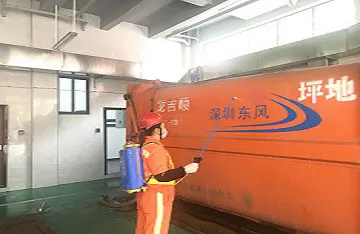
(1) Before starting work each day, spray the walls, floors, platforms, compression units, and the surrounding area with a disinfectant solution containing an effective chlorine concentration of 1,000–2,000 mg/L. The application rate should be 200–300 mL/m². Work may only begin after thorough disinfection has been completed.
(2) After each trip or at the end of each half-day’s operations, thoroughly rinse the area with water, then spray the walls, floors, platform, compression units, and the surrounding area with a disinfectant solution containing an effective chlorine concentration of 1,000–2,000 mg/L, at a spray rate of 200–300 mL/m².
③ Disinfection of Sanitation Tools
(1) Before starting work each day, spray sanitation tools once with a disinfectant solution containing 1,000–2,000 mg/L of available chlorine. Work may only begin after thorough disinfection.
(2) After completing each assignment, rinse sanitation equipment—such as handcarts and garbage trucks—with water, and then spray them with a disinfectant solution containing 1,000–2,000 mg/L of available chlorine to disinfect them.

IV. Workplace Safety
① Safety Precautions for Cleaning and Sanitation Work
(1) Do not remove your mask, gloves, or work clothes while on the job, and do not touch your face, eyes, or mouth.
(2) On sections of road with heavy foot traffic, wait until the crowd has dispersed before sweeping and cleaning.
(3) During routine cleaning rounds, trash must be picked up using tongs or other tools and placed in the cleaning cart; picking up trash directly with bare hands is prohibited.
(4) Work breaks should be taken in a well-ventilated, sunny, and relatively open area where there is no contact with other people; employees must not gather to chat during work breaks.
(5) It is strictly prohibited to enter facilities housing suspected patients or temporarily cordoned-off areas to perform cleaning and sanitation work without authorization or without taking proper protective measures.
② Safety Precautions for Garbage Collection and Transportation Operations
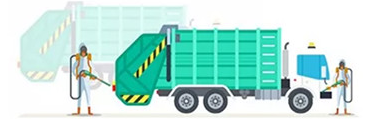
(1) Waste collection and transportation staff must properly wear masks, gloves, hats, rubber boots, and work uniforms; they are prohibited from touching their mouth, nose, or eyes with their gloves, work uniforms, or unwashed hands; staff who come into direct contact with waste must wear full-body protective suits.
(2) Drivers of transport vehicles must properly wear masks, gloves, work shoes, and work uniforms. Disinfectant must be kept on board for use as needed.
(3) Garbage collection points and collection vehicles must be cleaned and disinfected before and after operations; the disinfection area must ensure that both the interior and exterior of the vehicles are effectively disinfected.
(4) Disinfection personnel should properly wear medical protective masks, medical surgical masks, or N95 masks, as well as rubber gloves, goggles, rubber boots, and full-body protective suits.
(5) For residential communities: Dedicated trash bins for face masks placed by government agencies, enterprises, and public institutions should be emptied daily. Before emptying, spray or pour a disinfectant solution with an effective chlorine concentration of 500–1,000 mg/L onto the trash until it is completely saturated, then securely tie the plastic bag closed.
(6) Household waste generated at centralized quarantine facilities and designated medical institutions must be treated in accordance with medical waste standards and must not be mixed with the household waste collection, transportation, and treatment system.
⑺ For temporary acceptance of this type of waste, dedicated bags must be provided at the collection point and collected by designated personnel. The collection bags must be disinfected with a disinfectant solution containing an effective chlorine concentration of 2,000 mg/L before being collected and transported by a dedicated vehicle. The waste must be transported by a dedicated vehicle and undergo specialized treatment; it must not enter the transfer station.
(8) After loading is complete, disinfect the area around the vehicle and the loading opening of the container. Prepare a disinfectant solution with an effective chlorine concentration of 2,000 mg/L. Focus on disinfecting the vehicle’s tires and the container’s loading opening. Disinfect until the treated areas are slightly damp, using a spray rate of 200–300 mL/m².
③ Protective Measures After Completing the Task
(1) After finishing work, remove your work shoes, gloves, hat, work clothes, and mask in that order. Then, wash your hands and face, have your temperature checked, and sign in before leaving work.
(2) Used and discarded items such as masks and tissues (which cannot be reused) should be placed in designated containers, cleared out daily, and disinfected before removal.
(3) Reusable safety goggles, gloves, work clothes, and other items should be soaked in a disinfectant with an effective chlorine concentration of 200 mg/L for 20–30 minutes, then rinsed with clean water and hung out to dry.

V. Requirements for the Management of Protective Supplies and Disinfection at Workplaces
① Designate a specific person to manage protective supplies (including masks, gloves, rubber rain boots, protective suits, goggles, hats, hand sanitizer, disinfectant, thermometers, etc.). Ensure an adequate supply of commonly used medications, first-aid kits, and equipment.
② A stockpile of protective supplies sufficient for at least one week must be maintained; otherwise, the matter should be promptly reported to the relevant local authorities.
③ The operating unit should designate a specific person to perform disinfection and maintain disinfection records.
④ As specified in the work order, a designated person should be responsible for preparing disinfectants, managing disinfectant solutions and disinfection tools (such as sprayers), and strengthening the management of disinfectants and other disinfection supplies to ensure their safe use.
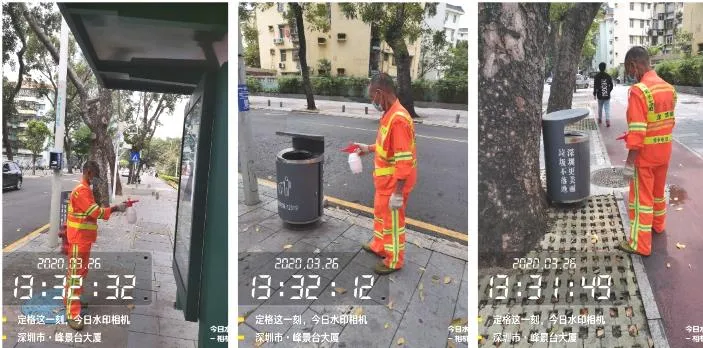
Disinfection and Sanitization of Sweeping and Collection Vehicles at the Luohu Project

Disinfection of Key Cleaning Areas
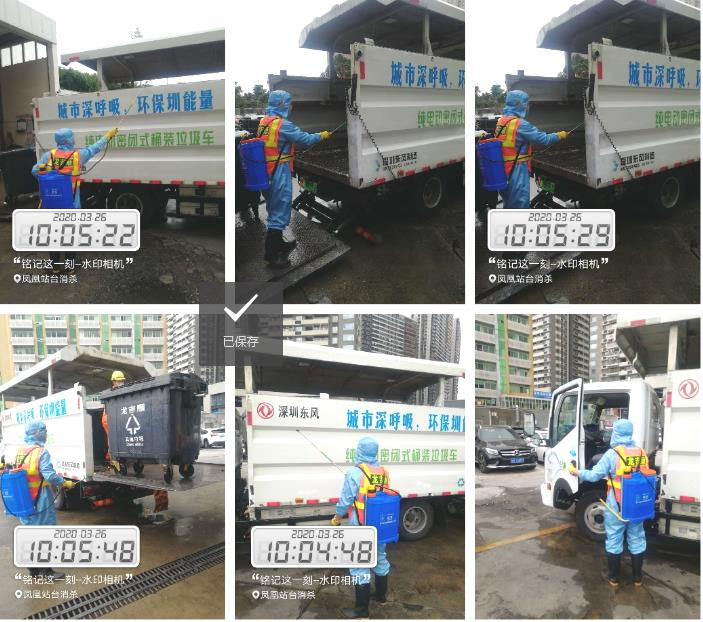
Disinfection Operations at the Pinghu Project
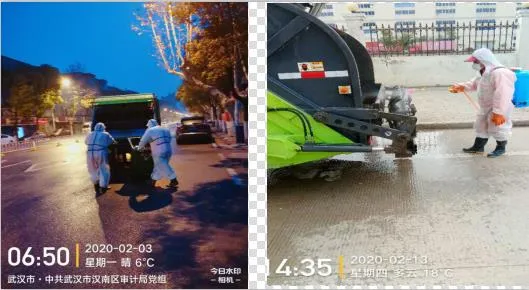
Epidemic Prevention and Disinfection Operations for the Wuhan Project