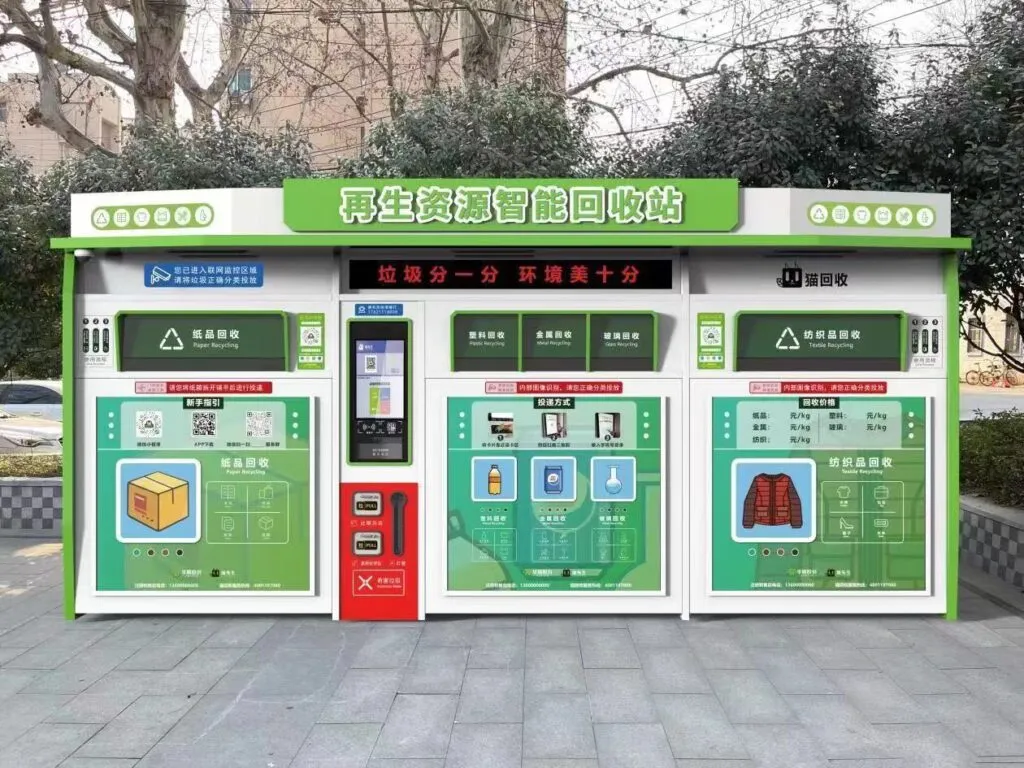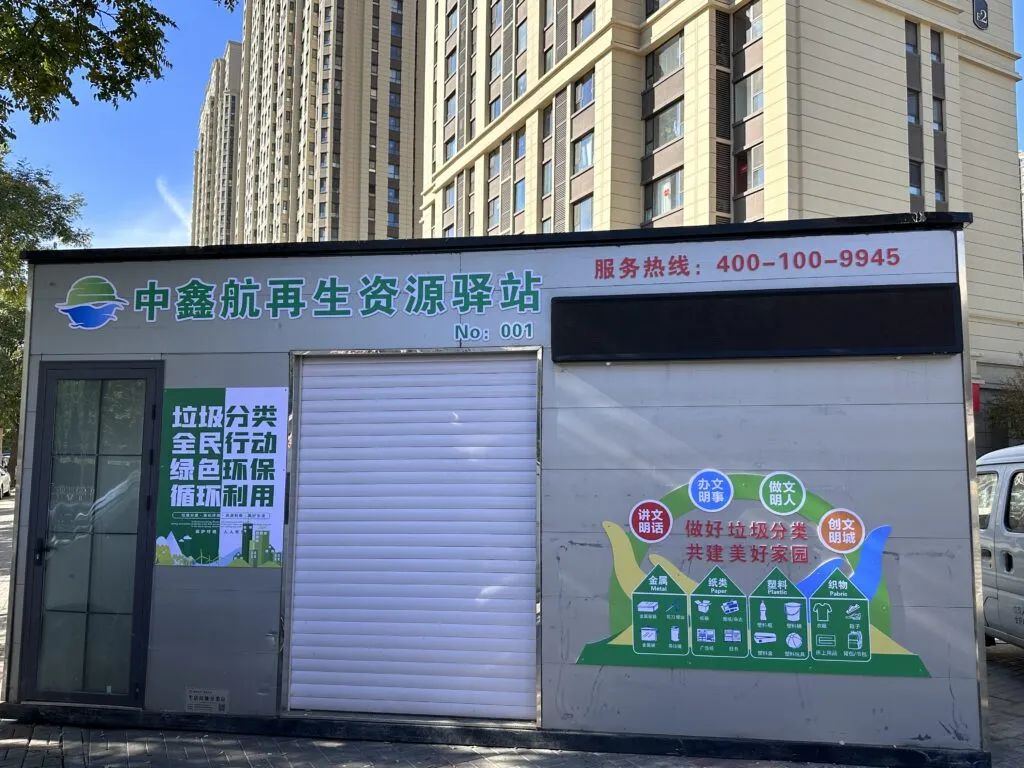
1. Adopt market-based operating models such as BOT or BOO to establish a separate food waste collection and transportation system, thereby achieving integrated collection, transportation, and disposal.
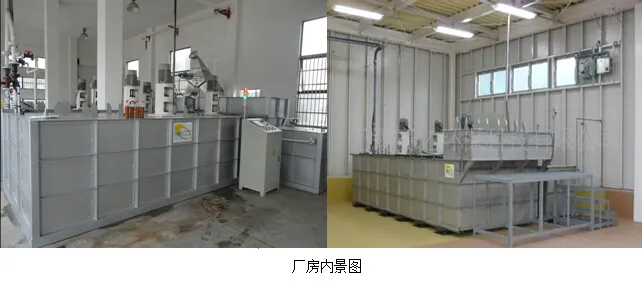
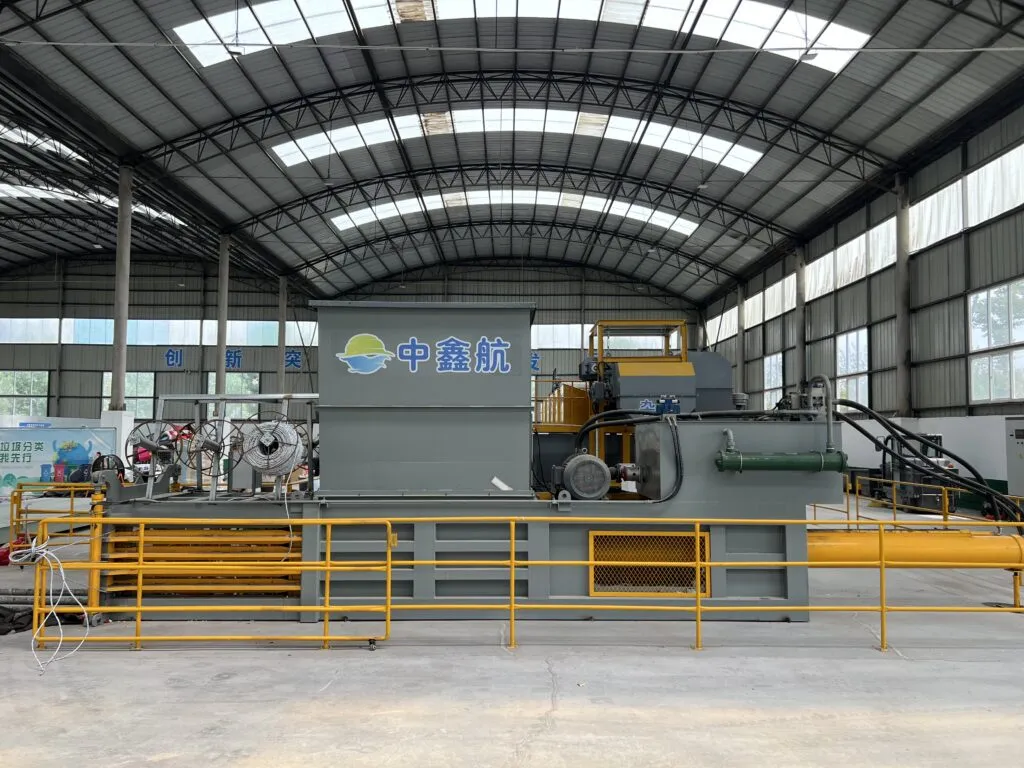
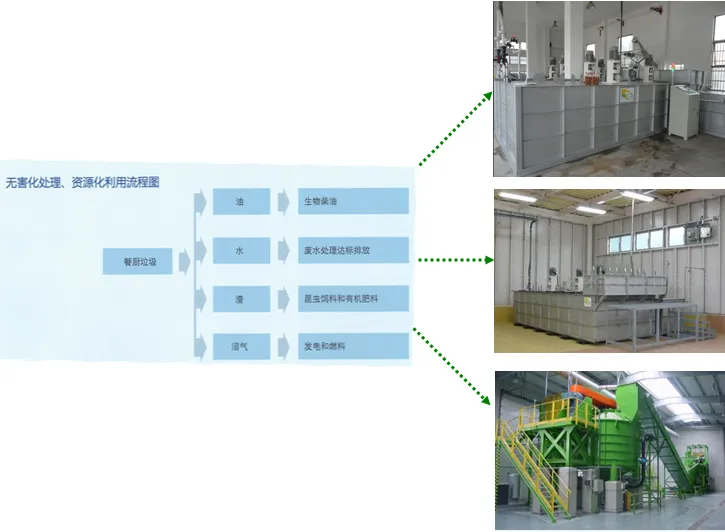
2. The core treatment process is mesophilic anaerobic digestion. The entire process system includes an intelligent food waste collection and transportation system, a pretreatment system, a system for producing biodiesel from waste cooking oil, a mesophilic anaerobic fermentation system for organic matter, a system for the resource recovery and treatment of digested solids and liquid, a biogas power generation system, and a biological deodorization system. This fully achieves the resource recovery and safe treatment of food waste.
Key Achievements
Food Waste Collection, Transportation, and Safe Disposal Project
The Shenzhen Longgang District Food Waste Collection, Transportation, and Treatment Project processes 200 metric tons of food waste and 30 metric tons of waste cooking oil daily. To support Shenzhen’s source-separated waste sorting efforts, food waste can be incorporated into this project for safe disposal in the future. The project has a 15-year concession period. The project employs wet thermal hydrolysis technology, biodiesel technology, and anaerobic fermentation for biogas production, achieving a daily biogas output of 11,000 cubic meters and an annual biodiesel production of 4,500 metric tons. The implementation of this project not only enables centralized treatment of food waste generated in Longgang District but also resolves the challenges associated with food waste disposal, thereby achieving the ultimate goals of “safe disposal, reduction, and resource recovery” for urban organic waste.